The Reader Finishes the Story
May 13, 2026
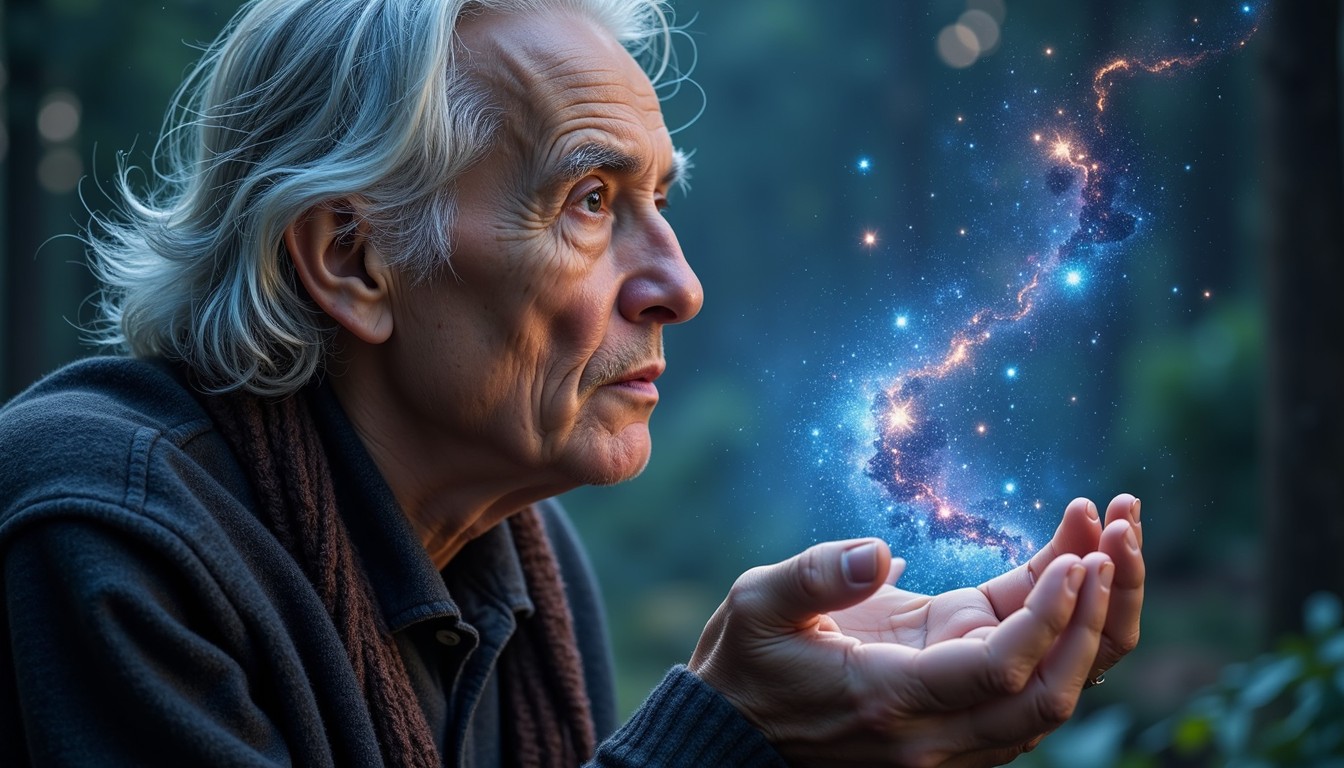
I’ve spent the last few years deep inside books.
Not just writing them.
Living with them long enough to notice what stays behind after the final page is finished.
And now, after completing another manuscript, I’m beginning to see a pattern that feels larger than books themselves.
The pattern is art.
Not content.
Not entertainment.
Not distraction.
Art that moves something in you.
Art that rearranges the room slightly after it leaves.
Art that survives because someone carries it forward into another life.
The older I get, the less I believe great art is something we merely consume.
I think we complete it.
That’s especially true with books.
A reader never fully receives a story in the form it was written. The story passes through memory, emotion, imagination, longing, fear, personal history—all the invisible architecture that makes someone who they are. Somewhere in that process, the book becomes partly theirs.
Reading has never felt passive.
It asks something from you.
Not just attention.
Participation.
Two people never truly read the same book.
They read their version of it.
The version shaped by what they were carrying when they arrived.
That may be why certain books find us differently at different stages of life. A novel you barely noticed at twenty can split you open at forty. The words may not have changed. You did.
I think all meaningful art works this way.
Music.
Paintings.
Films.
Photographs.
Stories passed quietly between friends.
Even memory itself.
The artist creates the signal.
The other person completes the experience.
That realization has changed the way I think about writing.
Long before I published anything, I was paying attention to what books actually did for people. Not commercially. Personally.
I watched people carry books through breakups, grief, loneliness, reinvention, addiction, spiritual collapse, recovery, uncertainty, hope. I watched certain lines become underlined enough times that the page nearly tore. I watched people hand a book to someone else the way you’d hand them a flashlight during a power outage.
That’s never just about storytelling.
That’s recognition.
Maybe that’s why books have always threatened systems that depend on obedience. Stories preserve interior freedom. They remind people there are other ways to think, other ways to live, other versions of themselves they haven’t met yet.
The stories you carry shape the life you live.
The stories you share shape the lives around you.
I believe that more now than ever.
And maybe great art survives for the same reason certain memories survive:
because they become attached to who we were when we encountered them.
A song becomes inseparable from a season of your life.
A painting reminds you of someone you lost.
A sentence arrives at exactly the right moment and doesn’t leave.
The art remains.
But so does the version of you that met it.
That’s the part I can’t stop thinking about lately.
Not whether art is technically impressive.
Not whether it trends.
But whether it leaves behind something human enough to continue living inside another person after the artist is gone.
Sometimes the answer arrives long after the question was asked. The signal outlasts the sender. And somewhere — in a season the writer never lived to see, in a reader they never knew existed—it finds its completion.
That’s not loss.
That’s the furthest a voice can carry.
Maybe that’s all great art ever really was.
One person saying:
I felt this.
Have you ever felt it too?
And somewhere, years later, another person answering silently:
Yes.
About the Author
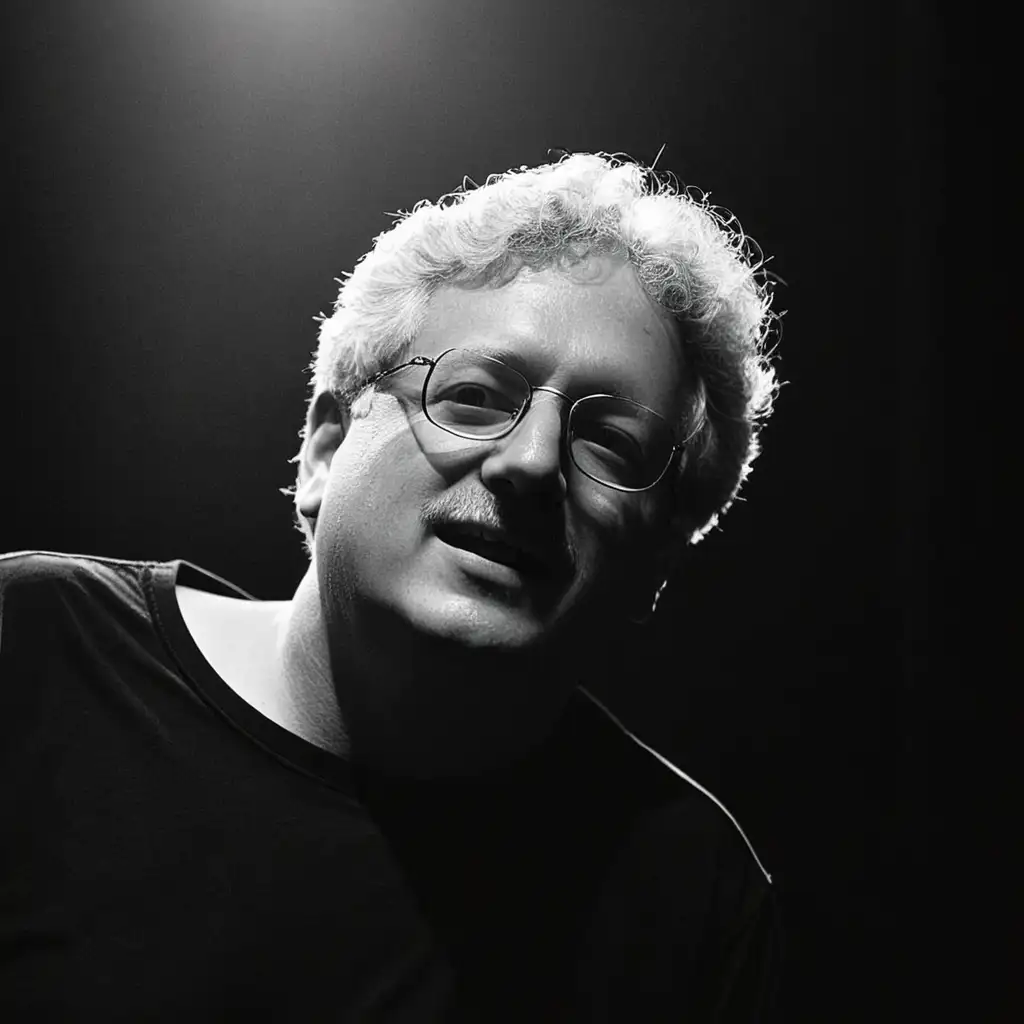
I’m S. Bobby Alexander. I write stories and reflections about the signals we follow, the threads we carry, and the echoes that stay with us. At the heart of my work is a conviction: the stories you carry shape the life you live. The stories you share shape the lives around you.
Every piece is an invitation to notice sparks, listen for echoes, and find the courage to follow the threads that matter most. If this essay left something with you, I’d love to hear it — share a reflection, or carry it forward in your own way. Stories aren’t just written. They’re lived, and passed on.
Experience Literary-Fusion in the novels: The Literary-Fusion Series
Literary-Fusion — The reader completes the story.
Share This Post