Literary-Fusion and Oral Tradition
July 10, 2026
Long before stories were printed, shelved, reviewed, or studied, they were carried.
A story lived because someone remembered it. It survived because someone told it again.
Oral traditions across cultures relied upon a simple reality: stories were never static objects. They moved from voice to voice, generation to generation, community to community. Each telling carried traces of the teller and the audience alike. Details shifted. Emphases changed. Meanings expanded or contracted depending on circumstance, place, memory, and need.
The story endured not because it remained perfectly fixed, but because it remained alive.
This observation creates an interesting connection between Oral Tradition and Literary-Fusion.
At first glance, the two appear very different. Oral storytelling is communal, spoken, and adaptive. Literary-Fusion operates through written narrative. One exists in performance. The other exists on the page.
Yet both begin with a similar understanding: meaning is not fully contained within the story itself.
In oral traditions, listeners participate through memory, interpretation, retelling, and application. The story continues beyond the moment it is spoken because people carry portions of it into their own lives. Meaning emerges through relationship.
Literary-Fusion approaches storytelling from a similar direction.
Rather than treating a story as a closed interpretive system that delivers a final conclusion, Literary-Fusion views meaning as something that continues developing between the story and the reader. Memory, timing, personal experience, and emotional context all influence what a reader discovers within the work.
The overlap is not mechanical. It is philosophical.
Both traditions recognize that stories live differently in different people.
A folktale told during hardship may be heard differently than the same tale told during abundance. A myth passed between generations gathers new significance as circumstances change. Likewise, a novel reread after grief often feels different from the same novel encountered years earlier. The words may remain unchanged, but the listener or reader has changed.
The relationship continues evolving.
This is where Literary-Fusion introduces an additional dimension.
Oral traditions naturally accommodate change because each telling is slightly different. Literary-Fusion explores how evolving meaning can occur even when the text itself remains fixed. The story stays the same. The reader does not.
The result is a form of participatory continuity. Readers return to the same narrative carrying different experiences, different questions, and different emotional histories. New meanings emerge not because the story changed, but because the relationship between story and reader continues to develop.
In this sense, Literary-Fusion shares an ancient belief with oral storytelling: stories are not merely information.
They are vessels.
They carry memory. They carry questions. They carry identity. They carry meaning across time.
Most importantly, they continue living beyond the moment they are first encountered.
Oral Tradition demonstrates that stories survive because people carry them forward. Literary-Fusion asks what becomes possible when written stories are designed with that same living relationship in mind—when meaning is allowed to travel, evolve, and return through the reader’s own experience across time.
Both forms ultimately point toward the same human truth:
a story’s life does not end when it is told.
For readers interested in how meaning continues evolving after a story is finished, Carried Meaning explores that relationship in greater depth.
This essay is part of Adding a Dimension — Literary-Fusion alongside existing literary traditions and frameworks.
About the Author
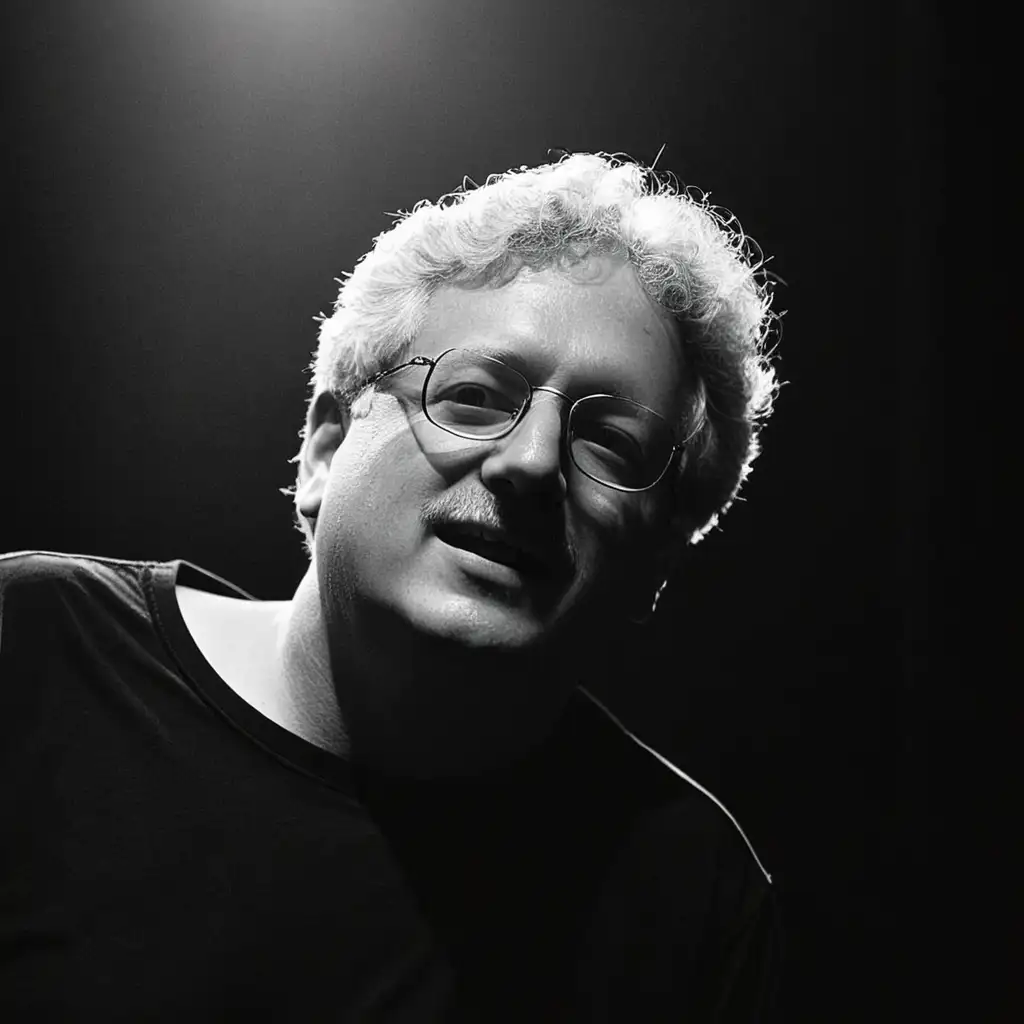
I’m S. Bobby Alexander. I write stories and reflections about the signals we follow, the threads we carry, and the echoes that stay with us. At the heart of my work is a conviction: the stories you carry shape the life you live. The stories you share shape the lives around you.
Every piece is an invitation to notice sparks, listen for echoes, and find the courage to follow the threads that matter most. If this essay left something with you, I’d love to hear it — share a reflection, or carry it forward in your own way. Stories aren’t just written. They’re lived, and passed on.
Experience Literary-Fusion in the novels: The Literary-Fusion Series
Literary-Fusion — The reader completes the story.
Share This Post