The Phone Will Keep Ringing
July 2, 2026

The signals wait. The seasons change.
There are certain signals human beings return to across entire lifetimes.
A line from a book.
A verse heard at a funeral.
A song played in the car twenty years apart.
Words that once sounded simple and later seem impossibly larger than they did before.
The signal stays the same.
The person receiving it doesn’t.
That may be one of the oldest human experiences we have.
Long before modern psychology tried to name it. Long before literary theory attempted to explain it. People already understood that certain words waited for us differently depending on where we encountered them in our lives.
Ecclesiastes understood this.
To everything there is a season.
Most people hear those words long before they’re capable of carrying their full weight. At first they sound poetic. Familiar. Almost too familiar. Then life begins arriving in seasons you could not have imagined when you first heard them.
A season of building.
A season of grief.
A season of becoming someone you no longer recognize.
A season of carrying more than you thought you could survive.
A season where silence says more than language does.
And suddenly the words expand.
Not because the signal changed.
Because you did.
That’s the part I think we often misunderstand about stories, music, memory, and meaning itself. We tend to speak about understanding as if it arrives once and remains fixed afterward. As if wisdom is something permanently acquired instead of something continuously revisited.
But human beings don’t experience meaning statically.
We experience it seasonally.
The same song heard after heartbreak becomes a different song. The same book reread after loss becomes a different book. A sentence ignored at twenty suddenly becomes unbearable at forty because experience finally created the emotional architecture necessary to receive it fully.
The signal was always there.
Recognition has its own timing.
Maybe that’s why certain stories seem to wait for us.
Not patiently in the mystical sense. More quietly than that. Like objects sitting unchanged in a room while the light moving through the windows alters what becomes visible.
A child reads survival differently than a parent does.
A grieving person reads hope differently than someone who has never lost anything they can’t replace.
A person who has failed publicly reads redemption differently than someone still protected by potential.
The text remains fixed.
Meaning keeps moving.
And maybe this is where Literary-Fusion begins.
Not as a genre trying to appear smarter than traditional storytelling. Not as intellectual performance disguised as depth. But as an artistic form built around something fundamentally human:
the understanding that readers are unfinished.
Not broken.
Not incomplete in the self-help sense.
Unfinished because human beings remain in motion for as long as they are alive.
We revisit ideas differently because we revisit life differently.
That changes everything about the relationship between stories and the people carrying them.
Traditional entertainment often asks:
Did you enjoy the experience?
But certain forms of art ask something else entirely:
Did the experience continue unfolding inside you after it ended?
That is a different kind of relationship.
And it is not always comfortable.
Some stories disturb before they clarify. Some remain unresolved for years before a single moment in ordinary life suddenly unlocks them. Some return unexpectedly through memory long after you thought you’d left them behind.
A line from a novel surfaces while standing in a hospital hallway.
A lyric returns during a drive home after an argument.
A passage reread during grief reveals something that simply did not exist for you emotionally the first time.
Not because the story changed.
Because another season arrived.
I think this may be why human beings have always protected stories so fiercely. Why they copied them in secret. Hid them during wars. Passed them hand to hand when speaking openly became dangerous.
Not merely because stories entertained them.
Because stories helped preserve orientation.
A way back toward meaning.
A reminder that other people had survived confusion before them.
Evidence that human beings could still recognize themselves honestly inside difficult seasons.
That is not instruction.
It’s participation.
And participation changes the experience itself.
The reader brings memory, timing, grief, longing, fear, history, love, failure, hope, and accumulated life into contact with the signal. Meaning forms somewhere inside that meeting point.
Which may explain why no two people ever truly read the same book.
And why the same person never reads the same book twice.
The signals wait.
The seasons change.
This essay is part of the Foundation Essays — the philosophical base of the Literary-Fusion framework.
About the Author
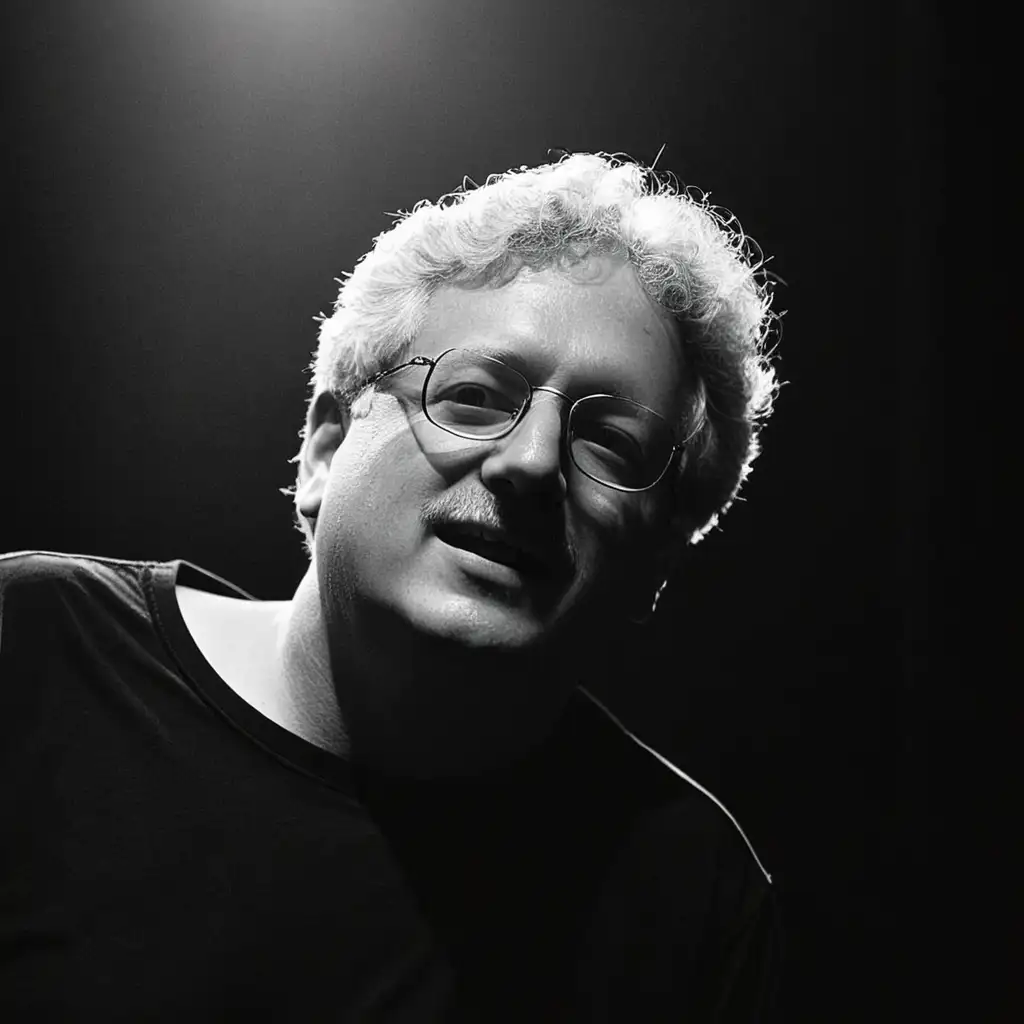
I’m S. Bobby Alexander. I write stories and reflections about the signals we follow, the threads we carry, and the echoes that stay with us. At the heart of my work is a conviction: the stories you carry shape the life you live. The stories you share shape the lives around you.
Every piece is an invitation to notice sparks, listen for echoes, and find the courage to follow the threads that matter most. If this essay left something with you, I’d love to hear it — share a reflection, or carry it forward in your own way. Stories aren’t just written. They’re lived, and passed on.
Experience Literary-Fusion in the novels: The Literary-Fusion Series
Literary-Fusion — The reader completes the story.
Share This Post