The Mother of Invention
May 28, 2026

For years, people kept asking me the same question.
“What genre do you write?”
It sounds simple enough until you try answering honestly.
Somewhere along the way, I realized I kept hesitating before I answered. Not because I didn’t know what I was writing, but because the existing categories always felt slightly incomplete. Close enough to point in the right direction. Not close enough to fully hold the experience itself.
Literary fiction didn’t quite fit.
Somewhere between literary fiction and philosophy came closer to the territory, but neither fully explained what the stories were trying to do.
The stories seemed less interested in being simply consumed and forgotten than in continuing quietly beside the reader after the final page.
At some point, mostly out of necessity, I started using the phrase Literary-Fusion.
Not as a declaration. Not as a movement. Mostly as conversational shorthand for something I kept encountering but didn’t yet fully know how to explain.
The strange thing is that the longer I wrote, the more the term itself kept evolving.
At first, I thought it described style. A blending of literary storytelling with philosophical and psychological depth. That was the easiest explanation. But over time, I started noticing something more interesting happening beneath the writing itself.
Readers weren’t only responding to plot.
They were bringing themselves into the experience.
The same passage meant different things to different people. Sometimes the same person returned years later and discovered an entirely different meaning waiting for them inside the exact same words. A story reread after grief became a different story than it was before grief arrived. Certain lines remained dormant for years before suddenly becoming impossible to ignore.
The text stayed fixed.
The reader didn’t.
That observation stayed with me.
Not because it felt academically important. Because it felt human.
Somewhere along the way, I realized stories could sometimes carry difficult truths more naturally than direct instruction ever could.
Not because people resist growth.
Because human beings often absorb meaning differently through participation than they do through prescription.
Maybe that’s why stories and parables have survived as long as they have.
Not because they force conclusions.
Because they leave enough space for recognition.
The more I paid attention, the more I realized stories may not be as static as we often pretend they are. Some stories seem to continue unfolding through participation. Through memory. Through timing. Through the unfinished nature of the person carrying them.
Maybe that’s why human beings have always fought so hard to preserve stories.
Not because stories merely entertain us.
Because they help us recognize ourselves.
Across history, people have hidden books under floorboards, copied them in secret, smuggled them across borders, passed them hand to hand, carried them through wars, protected them from fire, and returned to them across entire lifetimes. We don’t do that with things that end the moment we consume them.
We do that with things that continue living beside us.
Maybe that’s what Literary-Fusion was trying to describe all along.
Not a clean box.
A participatory relationship between stories and human beings that continues evolving across time.
The irony is that the term itself emerged the same way many ideas do.
Out of necessity.
There’s an old phrase often attributed to Plato’s era:
Necessity is the mother of invention.
The signal has been traveling for a very long time.
Human beings encounter something difficult to explain. Language slowly forms around the experience. Meaning stabilizes over time. Then future generations inherit the phrase without always remembering where it began.
Maybe Literary-Fusion is still in that early stage now.
Still unfolding.
Still unfinished.
Which honestly feels appropriate.
Because readers are unfinished too.
And maybe that’s why certain stories never truly stop speaking.
This essay is part of the Foundation Essays — the philosophical base of the Literary-Fusion framework.
About the Author
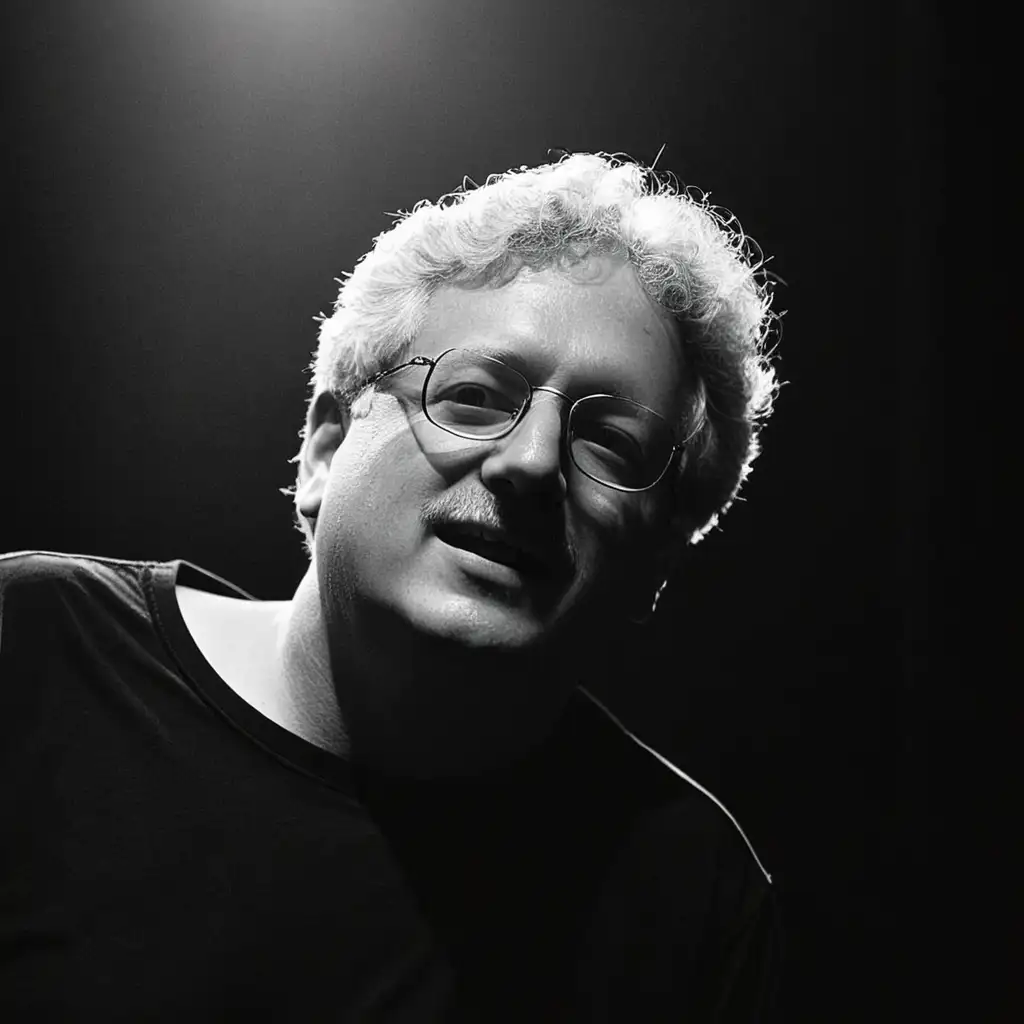
I’m S. Bobby Alexander. I write stories and reflections about the signals we follow, the threads we carry, and the echoes that stay with us. At the heart of my work is a conviction: the stories you carry shape the life you live. The stories you share shape the lives around you.
Every piece is an invitation to notice sparks, listen for echoes, and find the courage to follow the threads that matter most. If this essay left something with you, I’d love to hear it — share a reflection, or carry it forward in your own way. Stories aren’t just written. They’re lived, and passed on.
Experience Literary-Fusion in the novels: The Literary-Fusion Series
Literary-Fusion — The reader completes the story.
Share This Post