How to Read These Books
January 28, 2026

There’s no wrong way to read a book.
But there are different kinds of agreements a book quietly asks you to enter.
Some books promise answers.
Some promise entertainment.
Some promise escape.
These books promise something else.
They offer an experience.
This Is Not Instruction
You won’t find chapters titled Five Steps or The Right Way.
Moments stand on their own, without being explained or resolved.
These stories aren’t designed to tell you how to live or what to believe. They don’t assume the author knows more about your life than you do.
They assume your inner response matters.
The Contract
Here’s the quiet agreement these books make with you:
- The author provides experience.
- You provide interpretation.
- Meaning emerges between us.
Nothing is delivered whole.
Nothing is finalized on the page.
What lingers—what unsettles you, resonates, resists, or returns later without explanation—that’s the work doing its real job.
A Note on Voice
If you read these books in order, you may notice a shift.
Earlier work speaks more directly. Later work steps back, allowing scenes, objects, and silences to carry more weight. This wasn’t a strategy planned in advance. It was a discovery.
Over time, the voice learned when to step back, letting the story carry more of the meaning on its own.
Each book reflects where I was in that learning. All of them share the same belief: the reader’s interpretation isn’t a byproduct of the story—it’s part of its completion.
Read Slowly. Or Don’t.
You don’t need to underline.
You don’t need to journal.
You don’t need to extract insight.
You can read quickly and feel nothing.
You can read slowly and feel too much.
You can close the book and not think about it for weeks—until one small scene returns without warning.
All of that counts.
If something resonates, don’t rush to name it.
If something resists you, don’t rush to dismiss it.
Let the reaction arrive before the explanation.
Trust What Moves
These books care less about immediate clarity than they do about honesty.
If a moment feels quiet but heavy, pay attention.
If a line seems simple but lingers, let it.
If a character frustrates you, ask why—then stop asking.
The point isn’t agreement.
It’s recognition.
What These Books Offer
Not everything is tied off.
Some things are meant to remain open.
The story stays on the page, leaving space for your life to enter.
What They Hope You’ll Do
Not learn.
Not fix.
Not optimize.
Just notice.
Notice what feels familiar.
Notice what feels resisted.
Notice what feels unfinished.
If you close the book knowing exactly what it was “about,” it probably didn’t work.
If you close it carrying a question you didn’t have before, it might have.
And if that question asks to be shared—if the book feels like it belongs in more hands than just yours—some readers extend the experience by letting stories travel. That work lives at opensidewalkproject.org.
About the Author
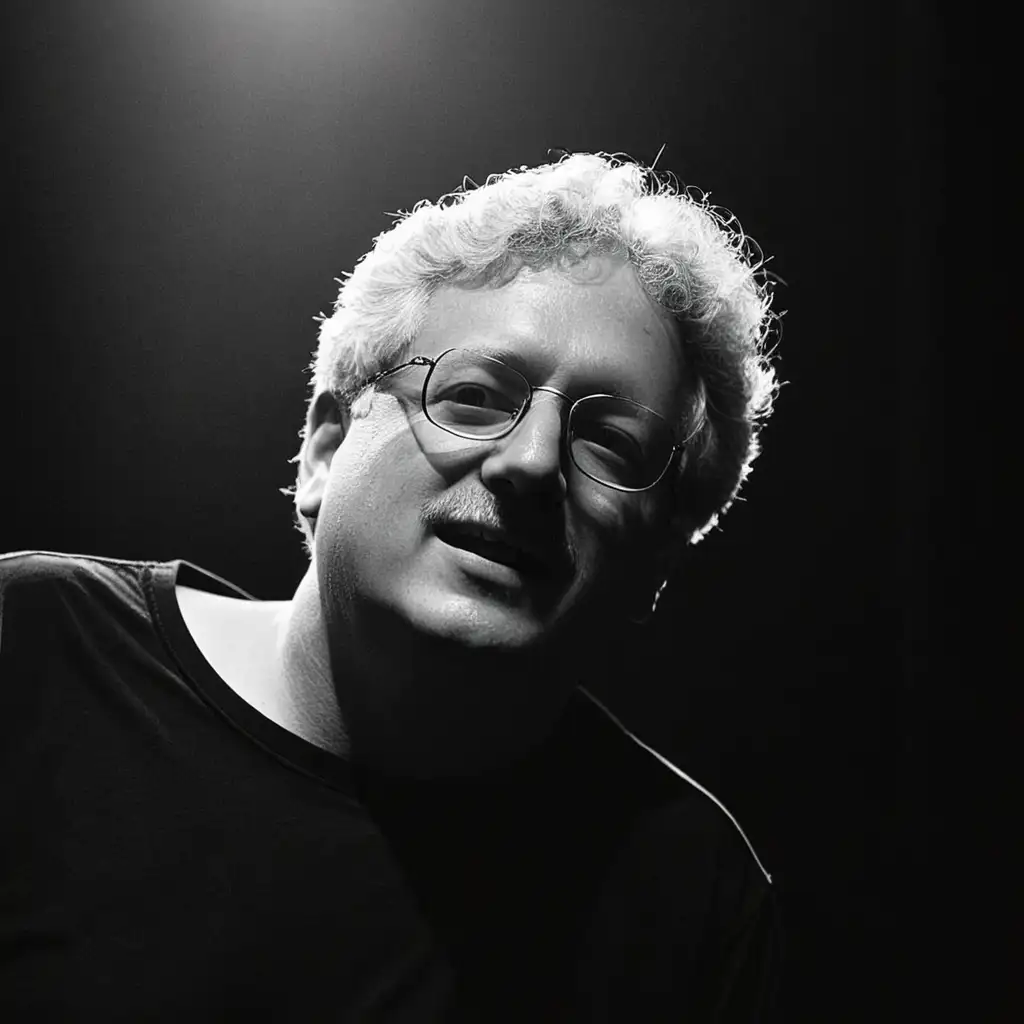
I’m S. Bobby Alexander. I write stories and reflections about the signals we follow, the threads we carry, and the echoes that stay with us. At the heart of my work is a conviction: the stories you carry shape the life you live. The stories you share shape the lives around you.
Every piece is an invitation to notice sparks, listen for echoes, and find the courage to follow the threads that matter most. If this essay left something with you, I’d love to hear it — share a reflection, or carry it forward in your own way. Stories aren’t just written. They’re lived, and passed on.
Experience Literary-Fusion in the novels: The Literary-Fusion Series
Literary-Fusion — The reader completes the story.
Share This Post