Why Books Move Us — And Why We Send Them Back Into the World
December 18, 2025

A reflection on stories, memory, and The Open Sidewalk Project
Long before The Open Sidewalk Project had a name—long before anyone taped a reflection note to a book and left it on a café table—humanity already understood something essential:
Stories travel farther than we do.
Before paper, before bindings, before libraries, stories moved from voice to voice. They were carried in memory, shaped by breath and repetition, passed in circles and around fires. When writing arrived, something changed. Meaning became portable. A story no longer depended on the person holding it. It could cross borders, disappear for centuries, resurface in another generation—and still speak.
Books became our first traveling companions.
And somewhere along the way, we began forming relationships with them that went far deeper than ink and paper.
A book offers a kind of intimacy that’s hard to find anywhere else. It lets you slip quietly into another mind, another life, another internal world—without having to defend your own. You can sit inside someone’s fear. Follow their questions. Borrow their courage. Meet their grief. It’s a private exchange, and a generous one: someone offers their truth; you meet it with yours.
Reading is not passive. It’s participatory.
You imagine the scene.
You supply the emotion.
You bring your memories, your wounds, your questions.
That’s why books become tethered to moments in our lives. Why you remember where you were when a sentence cracked something open. Why letting go of a book can feel—unexpectedly—like letting go of a version of yourself.
Across cultures and centuries, books have also carried another weight. They’ve been banned, smuggled, guarded, burned, protected. They’ve sparked revolutions and quietly undone assumptions. That emotional charge lingers. Books represent freedom—the freedom to think, to question, to imagine, to become.
But at their core, the connection is personal.
Books help us understand ourselves.
They give language to what we didn’t yet know how to say.
They remind us that we aren’t walking alone.
That’s why books matter.
And that’s why The Open Sidewalk Project exists.
We believe stories aren’t meant to gather dust.
They’re meant to gather people.
A book read is meaningful.
A book released is multiplied.
When you set a book free—wild on a park bench or gently placed into someone’s hands—you’re doing more than passing along an object. You’re extending the emotional life of that book. You’re letting your moment become someone else’s moment. You’re trusting that somewhere, someone needs exactly what you once found in those pages.
Every release is a small act of generosity.
Every reflection is a breadcrumb.
Every journey is proof that stories keep moving when we let them.
In a world that rushes, scrolls, and forgets quickly, a traveling book is a quiet rebellion. It says:
Slow down.
Notice.
Share what shaped you.
Carry it forward.
And maybe, most importantly:
You are part of someone else’s unfolding story.
Books move us because they carry pieces of who we are.
Releasing them lets those pieces keep traveling—one reader at a time, one sidewalk at a time, one act of generosity at a time.
This is how the sidewalk stays open.
This is how stories stay alive.
A Quiet Invitation
If this idea resonates—if you’ve ever held a book that felt bigger than the moment you found it—you’re already closer to The Open Sidewalk Project than you might think.
You don’t need permission.
You don’t need a plan.
You just need a story you’re willing to pass on.
You can learn more, register a book, or simply explore the idea at
OpenSidewalkProject.org
No pressure. No performance.
Just an open invitation to keep stories moving.
About the Author
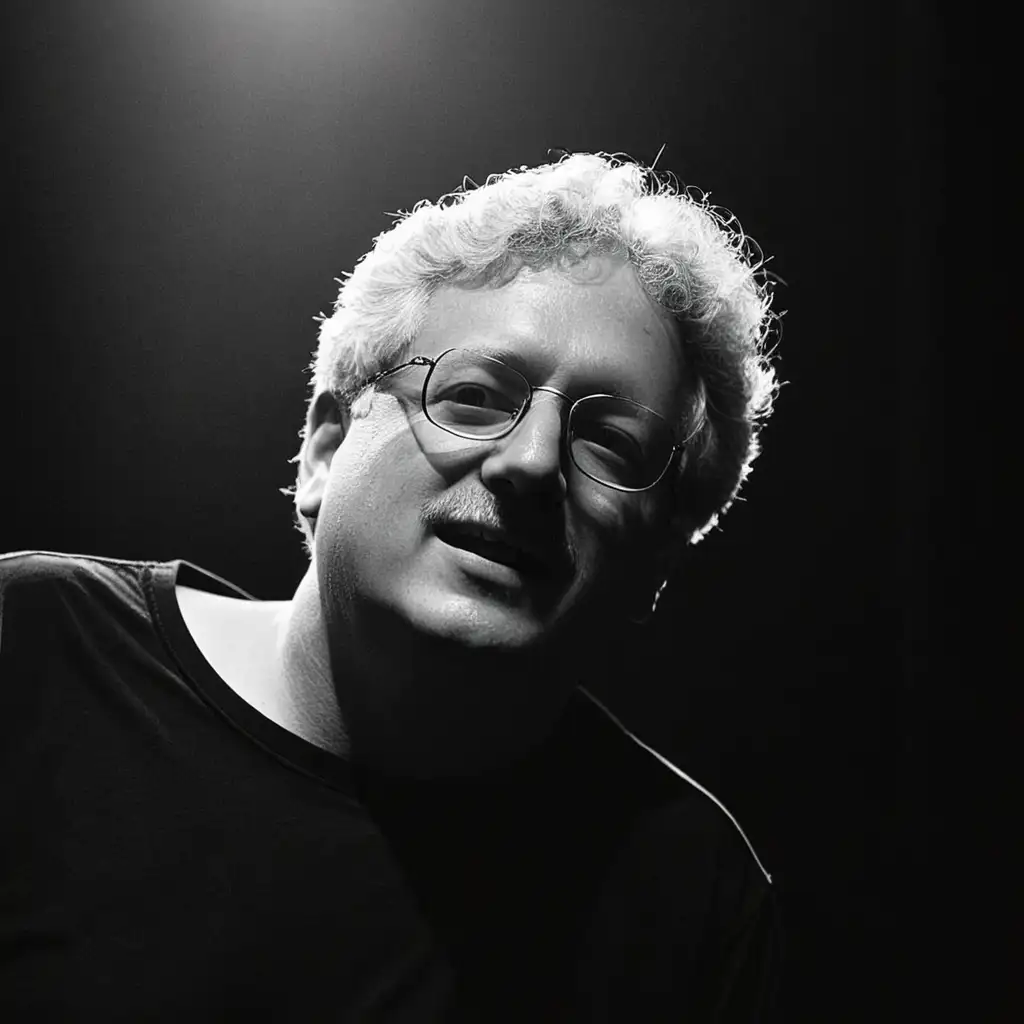
I’m S. Bobby Alexander. I write stories and reflections about the signals we follow, the threads we carry, and the echoes that stay with us. At the heart of my work is a conviction: the stories you carry shape the life you live. The stories you share shape the lives around you.
Every piece is an invitation to notice sparks, listen for echoes, and find the courage to follow the threads that matter most. If this essay left something with you, I’d love to hear it — share a reflection, or carry it forward in your own way. Stories aren’t just written. They’re lived, and passed on.
Share This Post