Literary-Fusion and Reader-Response Theory
June 7, 2026

Both Reader-Response Theory and Literary-Fusion begin with the same observation: meaning is not a fixed object sitting inside the text waiting to be extracted. It forms through the encounter between the words on the page and the person reading them. That shared starting point is genuine. What each does with it from there is where the difference lives.
Reader-Response Theory—developed through the work of theorists including Wolfgang Iser, Stanley Fish, and Louise Rosenblatt across the latter half of the twentieth century—describes and analyzes this phenomenon. It asks how readers construct meaning, how different readers produce different interpretations, and what role the reader’s own experience and cultural context play in the reading process. The theory is observational. Its purpose is to understand and articulate something that happens between readers and texts.
Literary-Fusion is not a theory. It is a practice.
Where Reader-Response Theory describes the participatory relationship between reader and text, Literary-Fusion attempts to construct around it. The question shifts from how does meaning form between reader and text to how do I write in a way that structurally invites that formation rather than attempting to close it.
This is a meaningful distinction. A story written with conventional completeness—one that delivers its emotional and interpretive conclusions clearly—can still be analyzed through a Reader-Response lens. The theory applies to all texts. Literary-Fusion is a set of decisions made during the writing that create deliberate space for the reader’s own experience to complete what the text begins.
The restraint is architectural. Not withholding information, but resisting the author’s instinct to confirm, conclude, and instruct. Creating conditions for recognition rather than delivering recognition pre-packaged.
Reader-Response Theory gave literary culture a language for what readers actually do with stories. Literary-Fusion takes that understanding as a starting condition and asks what a story looks like when it is built deliberately around that reality—when the participatory relationship between reader and text is not an interesting side effect of reading but the structural intention of the writing itself.
The theory describes the phenomenon. The form attempts to build around it.
Both are responses to the same human truth—that meaning in literature is never fully contained inside the text alone. They simply operate in different registers. One analytical. One creative.
For readers interested in the philosophical foundation Literary-Fusion draws from, Participatory Meaning explores that relationship in more depth.
This essay is part of Adding a Dimension—Literary-Fusion alongside existing literary traditions and frameworks.
About the Author
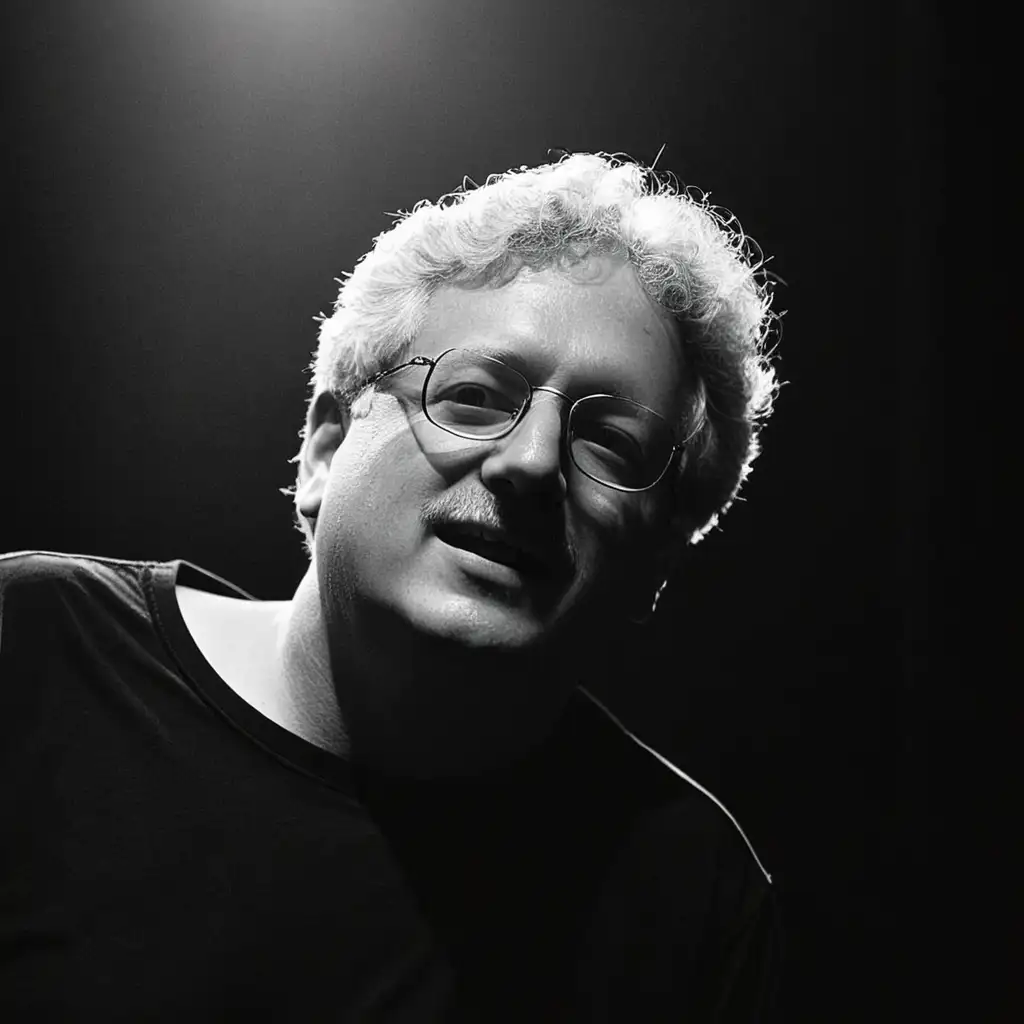
I’m S. Bobby Alexander. I write stories and reflections about the signals we follow, the threads we carry, and the echoes that stay with us. At the heart of my work is a conviction: the stories you carry shape the life you live. The stories you share shape the lives around you.
Every piece is an invitation to notice sparks, listen for echoes, and find the courage to follow the threads that matter most. If this essay left something with you, I’d love to hear it — share a reflection, or carry it forward in your own way. Stories aren’t just written. They’re lived, and passed on.
Experience Literary-Fusion in the novels: The Literary-Fusion Series
Literary-Fusion — The reader completes the story.
Share This Post