A Horse of a Different Color
June 8, 2026

There’s a moment in The Wizard of Oz that lasts only a few seconds.
Dorothy, the Scarecrow, Tin Man, and Cowardly Lion arrive in Emerald City by carriage behind a horse that changes color as it moves through the street. Purple. Green. Red. Yellow. The transformation happens casually, almost as background wonder, and the line follows immediately after:
“A horse of a different color.”
The phrase survived long after the scene itself because people recognized something inside it instantly. Not something entirely foreign. Something familiar seen differently enough that it altered the experience around it.
Literature has always evolved this way.
Stories did not begin with Literary-Fusion. Participatory meaning did not begin with Literary-Fusion. Readers have always carried memory, grief, identity, longing, fear, and unfinished experience into the books they encounter. Stories have always changed shape depending on who was reading them and when they returned.
The signal itself is ancient.
What changes over time is the arrangement around it. The emphasis. The awareness. The willingness to build deliberately toward dimensions of storytelling that may have always existed quietly beneath the surface.
Literary-Fusion does not claim to reinvent literature. That would misunderstand both literature and human beings. Stories have always been collaborative at some level between the words on the page and the life of the person reading them.
What Literary-Fusion explores is what happens when that relationship stops being treated as a side effect of reading and becomes part of the structural intention of the writing itself.
Not by removing story.
Not by abandoning character, emotion, or narrative movement.
But by resisting the instinct to over-complete the experience for the reader.
A story can explain every emotion it contains.
Or it can create conditions where recognition arrives through participation.
Those are different experiences.
One delivers.
The other invites.
This distinction is not entirely new. Many enduring works throughout literature, film, theater, and speculative storytelling have already moved in this direction. Readers and audiences have always returned to stories that continued unfolding after the final page or final scene.
Why did certain episodes of The Twilight Zone remain active in people’s minds for decades after airing? Why do readers return to the same novels at different ages and leave carrying different meanings each time? Why do some stories seem to wait patiently for experiences the reader has not lived yet?
Perhaps because meaning has never lived entirely inside the work itself.
Perhaps the reader was always part of the architecture.
Literary-Fusion simply attempts to write with that condition consciously in view.
Not as doctrine.
Not as superiority.
Not as replacement for existing literary traditions. Only as a different orientation toward a relationship that may have been there all along.
A horse of a different color is still a horse. The lineage remains recognizable.
But sometimes a shift in presentation changes what people notice about the thing standing in front of them.
That may be all Literary-Fusion is attempting to do.
Not invent the signal.
Only point toward it from a slightly different angle.
This essay is part of Foundation Essays — the philosophical base of the Literary-Fusion framework.
About the Author
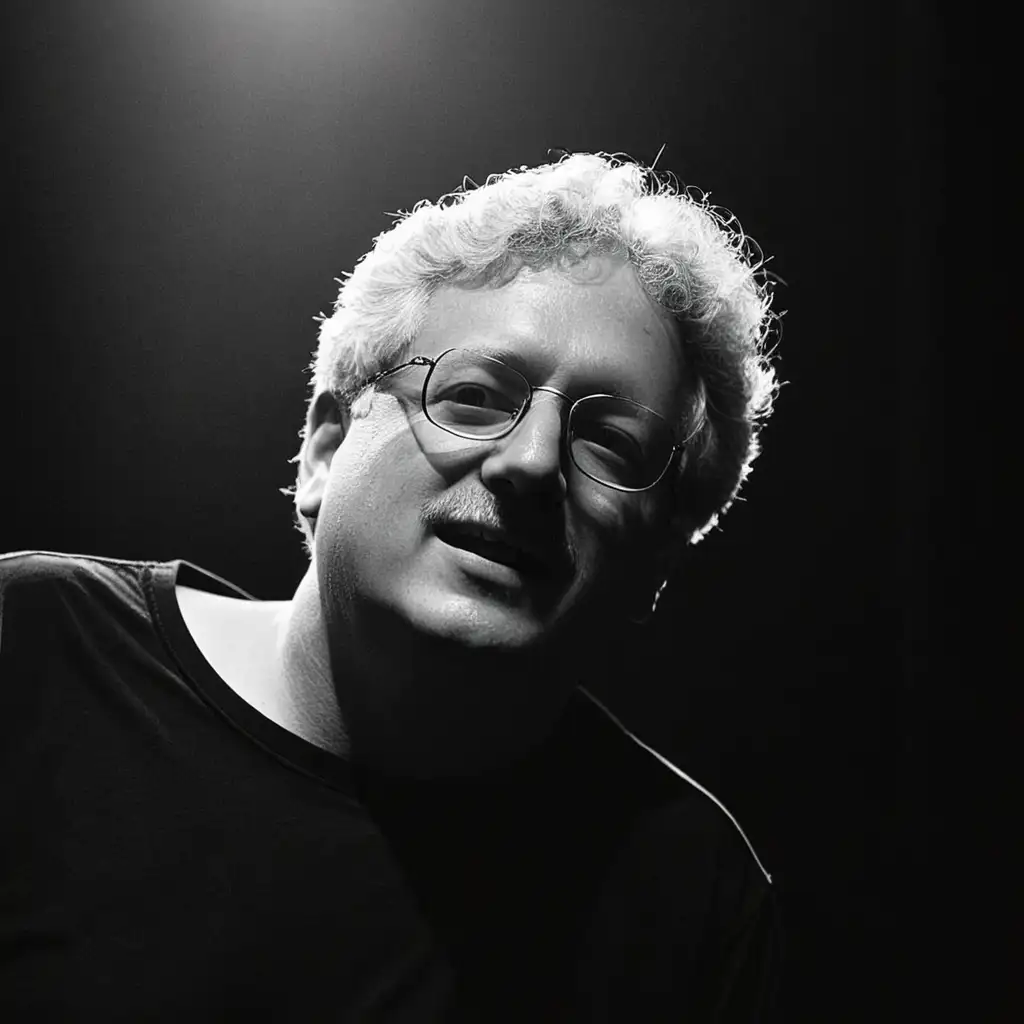
I’m S. Bobby Alexander. I write stories and reflections about the signals we follow, the threads we carry, and the echoes that stay with us. At the heart of my work is a conviction: the stories you carry shape the life you live. The stories you share shape the lives around you.
Every piece is an invitation to notice sparks, listen for echoes, and find the courage to follow the threads that matter most. If this essay left something with you, I’d love to hear it — share a reflection, or carry it forward in your own way. Stories aren’t just written. They’re lived, and passed on.
Experience Literary-Fusion in the novels: The Literary-Fusion Series
Literary-Fusion — The reader completes the story.
Share This Post