Literary-Fusion and Narrative Identity Theory
June 8, 2026
Narrative Identity Theory and Literary-Fusion share a foundational observation: human beings use stories to construct and maintain a coherent sense of who they are. The philosopher Paul Ricoeur and psychologist Dan McAdams, working independently across different decades, both arrived at the same basic conclusion—that identity is not a fixed internal property but something people actively build through the narratives they carry, repeat, and revise across a lifetime.
That shared starting point is genuine. Where the two diverge is in what they do with it.
Narrative Identity Theory is a descriptive framework. It examines how people use personal and cultural narratives to make sense of their lives, integrate difficult experiences, and maintain continuity of self across time. Its interest is psychological and philosophical—understanding the mechanism by which story and selfhood are bound together.
Literary-Fusion is a creative practice. It takes the same observation—that people carry stories into identity—and asks what fiction looks like when it is written with that understanding as a structural commitment rather than a theoretical backdrop.
The difference is the direction of the inquiry. Narrative Identity Theory examines how people engage with stories after encountering them. Literary-Fusion asks what a story should be in order to meet the reader inside that process.
A novel written with Literary-Fusion principles doesn’t attempt to tell a reader who to become. It creates conditions where the reader might recognize something about who they already are—or who they have been becoming without fully noticing. The story doesn’t construct identity. It creates space where the reader’s own identity work can continue.
This is what carried meaning describes—the phenomenon in which certain stories become integrated into how a person understands themselves over time. Narrative Identity Theory explains why that happens. Literary-Fusion attempts to write toward it deliberately.
Both traditions recognize the same human truth. Stories are not merely entertainment that passes through a person. They become part of the person carrying them.
This essay is part of Adding a Dimension — Literary-Fusion alongside existing literary traditions and frameworks.
About the Author
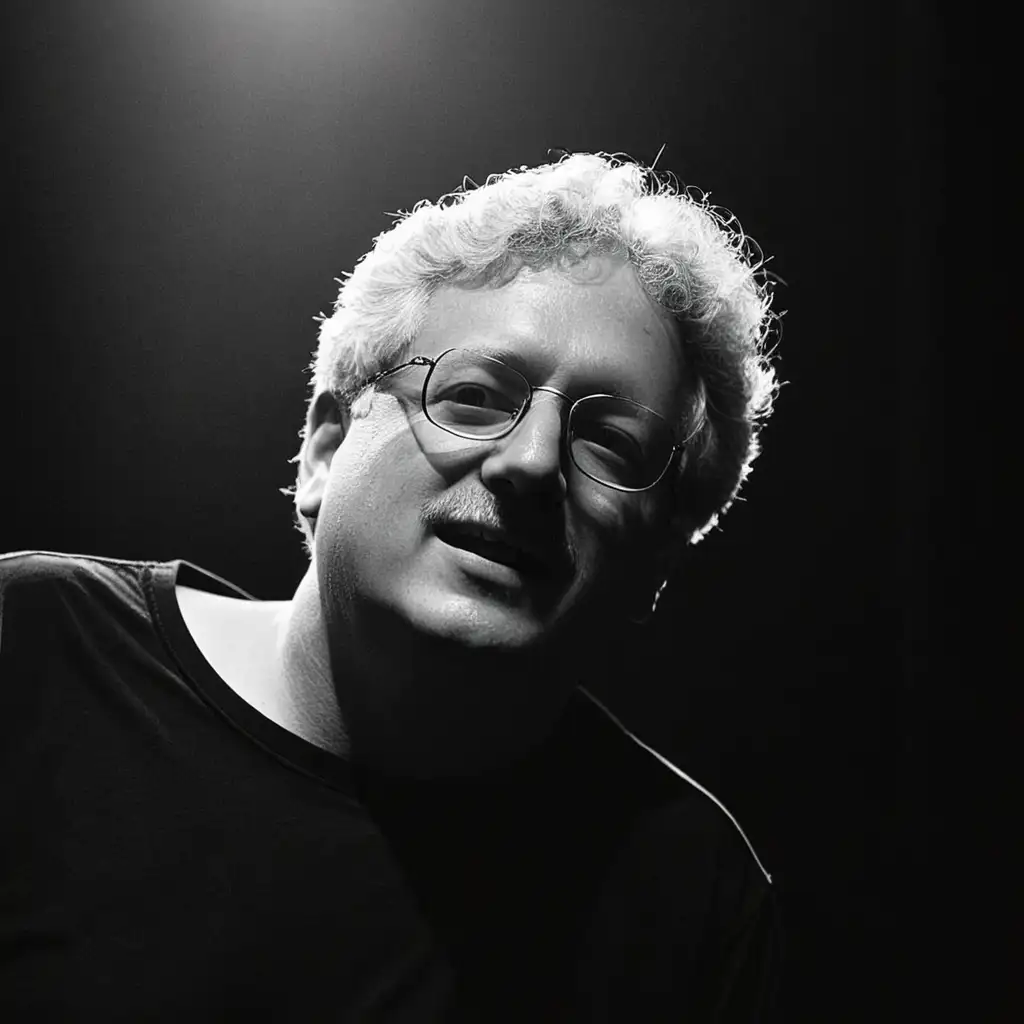
I’m S. Bobby Alexander. I write stories and reflections about the signals we follow, the threads we carry, and the echoes that stay with us. At the heart of my work is a conviction: the stories you carry shape the life you live. The stories you share shape the lives around you.
Every piece is an invitation to notice sparks, listen for echoes, and find the courage to follow the threads that matter most. If this essay left something with you, I’d love to hear it — share a reflection, or carry it forward in your own way. Stories aren’t just written. They’re lived, and passed on.
Experience Literary-Fusion in the novels: The Literary-Fusion Series
Literary-Fusion — The reader completes the story.
Share This Post